Why AI Data Center Suppliers Are Suddenly Thinking About Shipping Insurance
Data center construction has pushed lead times on core components like transformers and switchgear to as long as four years, and cargo theft targeting enterprise computing hardware rose sharply in 2025 even as consumer electronics theft fell. For manufacturers and distributors shipping these components, that combination means individual shipments are now worth far more, and carry more risk, than they have had to deal with before.
And with the future of AI and data center construction far from certain, shipping insurance has become more crucial.
The Data Center Boom Is Changing What "High-Value Freight" Means
831 data centers are under construction in the US right now. The five biggest hyperscalers — Amazon, Microsoft, Google, Meta, and Oracle — are projected to spend around $600 billion on infrastructure in 2026 alone. Across the 14 largest data center operators, that figure climbs toward $750 billion. PwC's central forecast puts global data center capex at $31.6 trillion through 2050, with the US accounting for roughly half.
That capex becomes physical equipment: transformers, generators, switchgear, cooling systems, control boards, and cabling, ordered, built, and shipped by the manufacturers and distributors who supply this industry. Every dollar of it eventually becomes a shipment, and the shipments are getting more expensive by the month. Some of that increase is volume, not just price: the facilities themselves have gotten much bigger, and so have the orders behind them.
The Orders Themselves Are Getting Bigger
Data centers used to be modest buildings. Now they're campuses. The average new US data center has nearly doubled in size since 2016, from about 100,000 square feet to roughly 200,000 square feet today (MOST Policy Initiative). The largest hyperscale projects go far beyond that average: Amazon's Montgomery County build-out spans up to 17 buildings, 3.7 million square feet, across 1,000 acres.
A campus that size needs several times the transformers, switchgear, and panel boards a single, smaller facility would have ordered a decade ago. Wood Mackenzie has put numbers on it: hyperscale transformer demand is projected to climb from 1,573 units in 2025 to 9,395 units by 2030. Panel boards go from roughly 5,100 units to over 30,500 over the same stretch. That's close to sixfold growth in unit count, separate from the per-unit price increases covered next.
It's already showing up in supplier order books. GE Vernova, which manufactures transformers, switchgear, and substations, reported orders up nearly 80% year over year in its most recent quarter. Orders in its electrification division alone nearly doubled.
For a manufacturer or distributor in this supply chain, that means the same contract that used to cover one building now covers several. The shipment, or the sequence of shipments, that goes out under that contract carries far more value than an equivalent contract would have five or ten years ago, regardless of what any single unit costs.
Why Lead Times Are Turning Ordinary Components Into Six-Figure Shipments
The construction boom raised demand faster than the supply chain's usual pace could absorb it.
High-capacity transformers now carry lead times of up to four years. Prices are up somewhere between 77% and 95% since 2019, depending on the source. Demand for generator step-up transformers alone rose 274% between 2019 and 2025.
The rest of the equipment list isn't far behind. Standby generators sized for data center use (1,250–3,250kW) run 52 to 105+ weeks. Medium-voltage switchgear runs 52 to 84+ weeks. Large UPS systems run 26 to 52 weeks.
Developers facing those timelines have started buying production slots before a site is even finalized, or refurbishing decommissioned units to close the shortfall. Both responses push per-unit value higher. A refurbished transformer competing against a four-year wait commands a premium that wouldn't have existed five years ago.
That's the mechanism connecting lead times to insurance. A transformer shipment used to represent one routine reorder among many. It now represents years of committed lead time that can't be replaced on short notice. Losing it in transit costs the project the timeline it was built around, not just the sale price.
The Freight Market Squeeze — Tighter Capacity, Higher Stakes
Flatbed trucking, the segment hauling most of this equipment, is in its tightest capacity market since 2022. Tender rejection rates have run as high as 38%, more than double the rejection rate across the broader freight market. Data-center-related construction spending is running around $41 billion a year, more than triple its level before ChatGPT's public launch. New trucking capacity isn't expected to reach the market until mid-2027.
Two lines are moving in opposite directions at once. Cargo values are climbing. Available capacity is shrinking. That combination raises exposure. Fewer trucks. More pressure to keep any given truck moving on schedule. Less room to reroute an oversized, specialized load when something goes wrong along the way.
Thieves Are Already Following the Value
In 2025, cargo theft losses across the US and Canada reached $725 million, up 60% from the year before. The average loss per theft climbed to roughly $274,000, up 36% from $202,364 in 2024. Confirmed theft incidents rose 18%, to 2,646.
CargoNet named enterprise computing hardware and cryptocurrency mining equipment as an emerging top-tier target category for organized theft, in the same year that theft of consumer electronics like TVs and PCs actually declined. That finding is specifically about servers, RAM, storage drives, and similar gear: the parts of this supply chain small enough to move, strip of identifying information, and resell quickly.
The larger equipment carries a different exposure. Metals theft, tied directly to transformer and generator demand, is up 77%. Thieves are going after the copper itself, not an intact unit. CargoNet's own report also flags a rising pattern that doesn't depend on cargo size: theft by deception, where criminals pose as a legitimate carrier or broker and get an entire shipment handed over to them through fraud rather than a break-in.
This equipment is worth more than it used to be. Criminals have already adjusted, by whichever method fits what they're after. Most insurance programs covering it haven't.
What This Means for Insuring Your Shipments
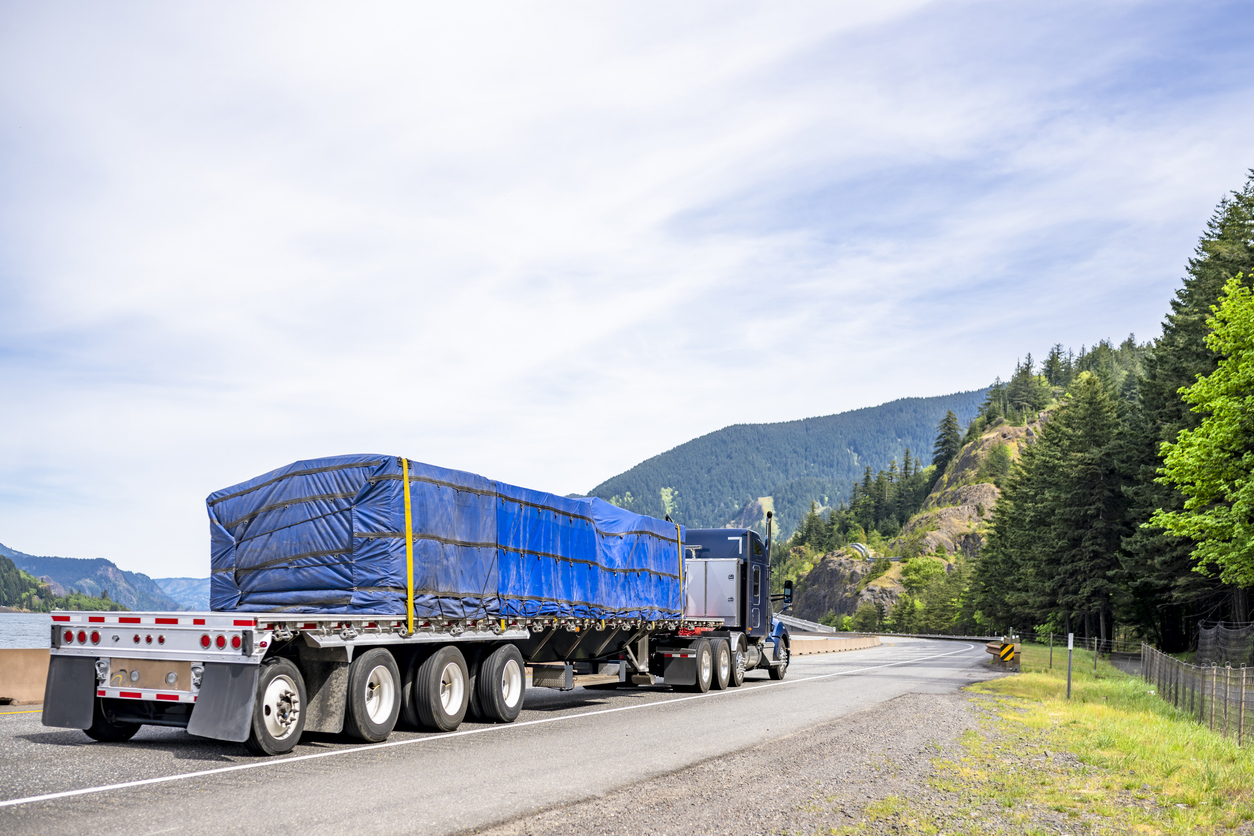
Put the data sets together. Higher volume. Lead times that turn a single component into a six-figure, effectively irreplaceable shipment. A freight market with less room to absorb a problem. A theft pattern, whether through resale, copper stripping, or fraud, that's already caught up to this equipment category.
A shipping insurance program built two or three years ago was built against shipment values from two or three years ago. That's not a criticism. It's just outdated math. Standard carrier liability caps recovery per pound or per shipment, a figure set below what a single transformer or switchgear unit is worth today.
Per-shipment value has likely climbed over the past 12 to 18 months. The numbers above suggest as much for most of this category. If it has, the coverage put in place in 2022 or 2023 is worth checking against 2026 shipment values.
This is where all-risk cargo insurance, added on top of an already-established freight operation, becomes the more relevant option than default carrier liability alone. For a claim in the low-to-mid six figures, the standard that matters is real claims-processing transparency and data that shows exactly what happened and where. That means a person who works the claim with you, not a form that processes it. Claims like this typically move in 7 to 10 business days once filed. That's real, but it's not the point. The point is whether the number on the policy still matches the number on the shipment.
FAQs
What's driving up the value of data center equipment shipments?
Two things happening at once: price and volume. Lead times of up to four years on components like transformers, prices up 77% to 95% since 2019, and developers responding by pre-buying production slots or refurbishing decommissioned units all push per-unit value higher. Separately, data centers themselves have gotten bigger, nearly doubling in average square footage since 2016, which means more units per contract. Hyperscale transformer demand alone is projected to grow roughly sixfold by 2030.
Does standard cargo insurance cover transformers and switchgear?
Standard carrier liability, the coverage freight moves under by default, caps recovery per pound or per shipment, often below what one of these units is worth today. All-risk cargo insurance, added on top of an existing shipping operation, is built to cover that difference.
Why are thieves targeting enterprise computing hardware specifically?
Verisk/CargoNet's 2025 analysis found theft of enterprise computing hardware and cryptocurrency mining equipment rising sharply, even as consumer electronics theft declined. Organized rings favor this equipment because it's modular, easy to strip of identifying information, and easy to resell.
How long are lead times right now for critical data center components?
Transformers: up to four years. Medium-voltage switchgear: 52 to 84+ weeks. Large UPS systems: 26 to 52 weeks. Standby generators at data center scale: 52 to 105+ weeks.
Pull your own shipment values from the last 12 months and compare them against what your current coverage assumes. If the two don't match anymore, that's worth a conversation before a claim forces it. Talk to a Cabrella specialist about what your own numbers show.


Subscribe for Email Updates